The Friction of Innovation: Meta Facing Internal Pushback Over Aggressive AI Integration Across Its Apps
As Mark Zuckerberg pivots his empire toward a "Meta AI first" future, some employees are raising alarms about the speed and scale of deployment across Instagram, WhatsApp, and Facebook.
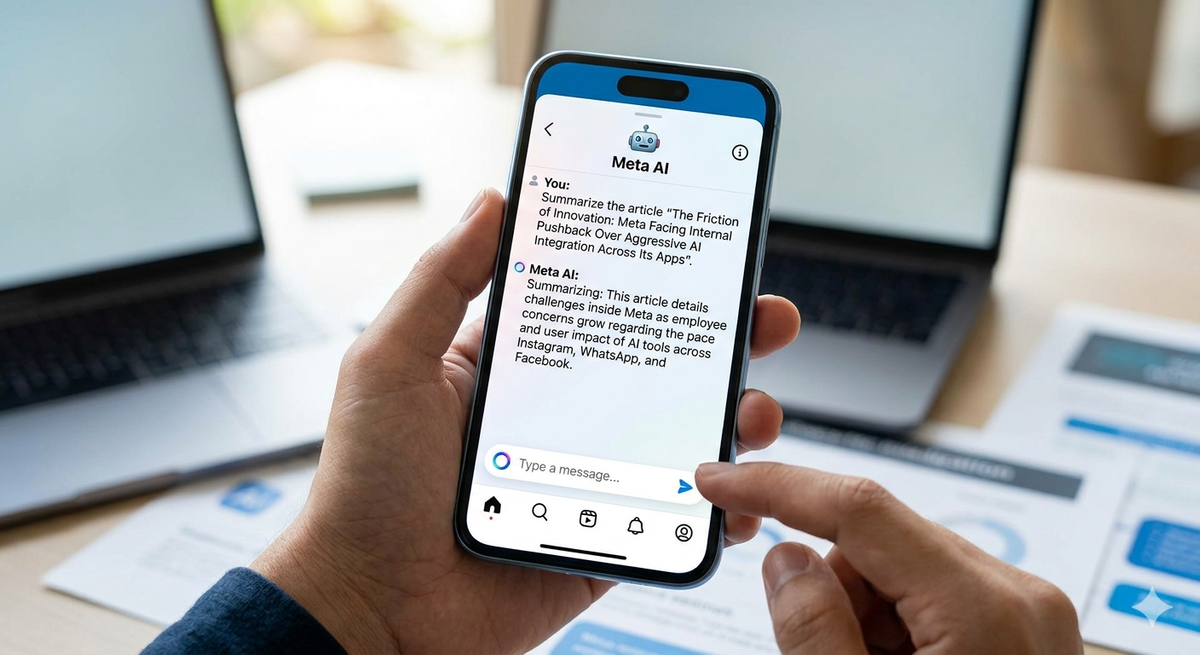
Is Mark Zuckerberg moving too fast? Within the hallways of Menlo Park, a growing number of engineers and product managers are reportedly asking that very question. While the public sees a flurry of new features like AI-powered search bars and celebrity chatbots, the reality inside the company is more complex. Recent reports suggest that Meta facing internal pushback over aggressive AI integration across its apps has become a significant hurdle for the social media giant.
The Drive for AI Dominance
Since the release of Llama 3, Meta has been on a relentless mission to embed artificial intelligence into every corner of its ecosystem. The goal is clear: to remain competitive against rivals like OpenAI and Google. However, this haste has led to what some staffers describe as "feature bloat." By forcing AI tools into platforms like WhatsApp and Instagram, critics argue that the company risks alienating users who just want to message friends or share photos without navigating a digital assistant.
Meta Facing Internal Pushback Over Aggressive AI Integration Across Its Apps
The core of the internal dissent stems from a perceived lack of focus on user experience. Employees have expressed concerns that the push for AI is overshadowing core product stability. In some instances, the integration of Meta AI into the search bar of Instagram sparked immediate user complaints, yet internal teams were allegedly pressured to keep the feature prominent. Meta facing internal pushback over aggressive AI integration across its apps highlights a cultural clash between the "move fast and break things" mentality and the necessity of maintaining a premium user experience.
Resource Allocation and Burnout
It is not just about the product; it is about the people. To fuel this AI revolution, Meta has shifted massive amounts of computing power and talent away from other departments. This reshuffling has left some teams understaffed while others are overwhelmed by the technical debt created by rapid AI deployments. Engineers have noted that the infrastructure required to support these models is being stretched to its limits, leading to internal debates about the long-term sustainability of this "all-in" strategy.
Balancing Innovation with Ethics
Beyond technical hurdles, ethical concerns are mounting. Internal teams tasked with safety and integrity are reportedly struggling to keep up with the volume of AI-generated content. From AI-generated "reimagined" photos to automated comment replies, the potential for misinformation and hallucinations is high. This internal tension suggests that the company must find a balance between being an AI leader and being a responsible steward of the world's largest social platforms.
Conclusion
Meta is at a crossroads. While the potential for AI to revolutionize social connection is immense, the current trajectory is meeting resistance from the very people building it. If the company fails to address these internal concerns, it may face a talent drain or, worse, a decline in user trust. The coming months will reveal if Mark Zuckerberg can harmonize his vision with the practical realities of his workforce.
Fast Facts: Meta Facing Internal Pushback over Aggressive AI Integration Across Its Apps Explained
Why is there internal tension at Meta right now?
Employees are concerned that the quality of core products is suffering because of Meta facing internal pushback over aggressive AI integration across its apps. Many feel the company is prioritizing speed over the actual needs of the users who use these platforms daily.
How does this pushback affect the average user?
The pushback signals that some features might feel forced or cluttered. While Meta aims for innovation, Meta facing internal pushback over aggressive AI integration across its apps suggests that future updates might be more carefully vetted if the company listens to its internal critics.
What are the ethical concerns being raised?
Internal teams worry that rapid deployment makes it harder to monitor AI safety. With Meta facing internal pushback over aggressive AI integration across its apps, there is a focus on preventing AI hallucinations and misinformation from spreading unchecked across Facebook, WhatsApp, and Instagram.