TikTok Testing Longer-Form Content as It Pushes Deeper Into YouTube Territory
TikTok is expanding into longer videos to rival YouTube, reshaping creator strategies, ad revenue models, and how audiences consume content globally.
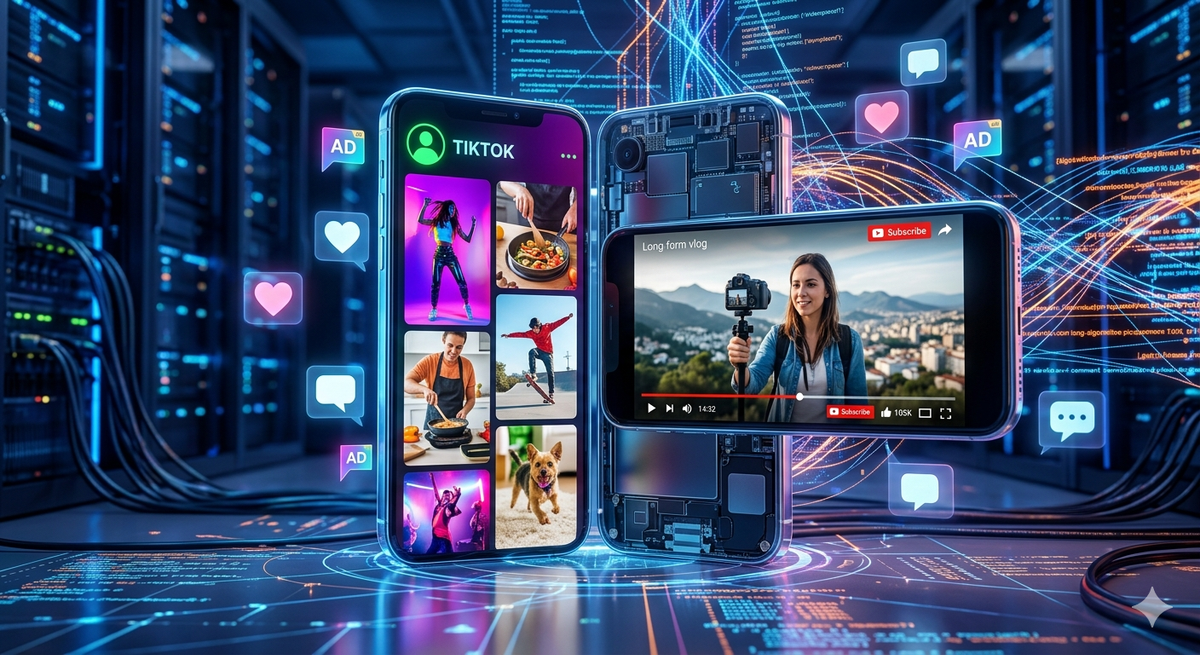
What happens when the platform built on 15-second dopamine hits suddenly wants you to stay for half an hour? That is the gamble TikTok is making as it expands into longer-form video, stepping straight into territory dominated by YouTube.
This is not just another feature rollout. It signals a deeper shift in how platforms compete for attention, creators, and advertising revenue.
Why TikTok Is Expanding Beyond Short Videos
TikTok’s success came from short, addictive clips. Now it is testing videos up to 30 minutes long, according to creator reports and platform updates. The strategy is clear. Increase watch time and unlock higher revenue potential.
YouTube’s dominance is built on long-form engagement. The longer users stay, the more ads can be served. TikTok wants to tap into that same model while keeping its powerful recommendation algorithm intact.
User behavior is also evolving. Audiences are watching tutorials, interviews, and storytelling content within the app. The shift is already happening. TikTok is just catching up to it.
TikTok Testing Longer-Form Content as It Pushes Deeper Into YouTube Territory
The move is deliberate. TikTok is introducing features that support long-form creators, including better search, horizontal video support, and improved monetization tools.
This positions TikTok as a serious alternative for creators who rely on YouTube for deeper content. Educational channels, vloggers, and podcasters can now experiment without leaving the platform.
Still, TikTok has limitations. YouTube’s ad ecosystem is more mature, with better analytics and stable income streams. TikTok needs to close that gap if it wants creators to fully commit.
What This Means for Creators and Brands
Creators now face a balancing act. Short-form content thrives on speed and trends. Long-form content demands planning, storytelling, and consistency. Managing both formats is not simple.
For brands, the opportunity is significant. Longer videos allow deeper storytelling, product demonstrations, and stronger audience connection. This could reshape influencer marketing strategies across industries.
However, there is a risk. TikTok’s audience is conditioned for quick consumption. Not every user will sit through a 20-minute video on a platform known for fast entertainment.
The Bigger Battle for Attention
The competition between platforms is becoming increasingly blurred. YouTube introduced Shorts to compete with TikTok. Now TikTok is expanding into long-form content.
The distinction between short and long content is fading. Users are focusing less on format and more on value. Platforms are evolving into all-in-one content ecosystems.
YouTube still leads in long-form watch time globally. TikTok’s challenge is not just offering longer videos but convincing users to engage with them.
Challenges and Ethical Concerns
Longer watch times bring new concerns. Increased screen time raises questions about digital well-being, particularly for younger users.
Regulators are already watching TikTok closely. Expanding into long-form content could intensify scrutiny around user behavior and platform influence.
Content moderation also becomes more complex. Monitoring longer videos at scale is harder and requires stronger systems to ensure safety.
Conclusion
TikTok is not abandoning short-form content. It is expanding its playbook to capture more attention, more creators, and more revenue.
The real challenge is behavioral. If users embrace longer content, TikTok could reshape the video landscape. If not, it risks stretching beyond what made it successful in the first place.
Fast Facts: TikTok Testing Longer-Form Content as It Pushes Deeper Into YouTube Territory Explained
What is TikTok’s long-form content strategy?
TikTok testing longer-form content as it pushes deeper into YouTube territory allows videos up to 30 minutes to increase engagement and compete for deeper user attention.
How does this impact creators?
TikTok testing longer-form content as it pushes deeper into YouTube territory gives creators space for storytelling, but it also demands more time, effort, and consistency.
What are the main limitations?
TikTok testing longer-form content as it pushes deeper into YouTube territory still faces weaker monetization systems and users who prefer quick, short-form content.