Uber Expanding Into Hyperlocal Logistics as Competition in Ride-Hailing Tightens
As ride-hailing margins shrink and competition intensifies, Uber is quietly rewriting its playbook by turning everyday deliveries into its next growth engine.
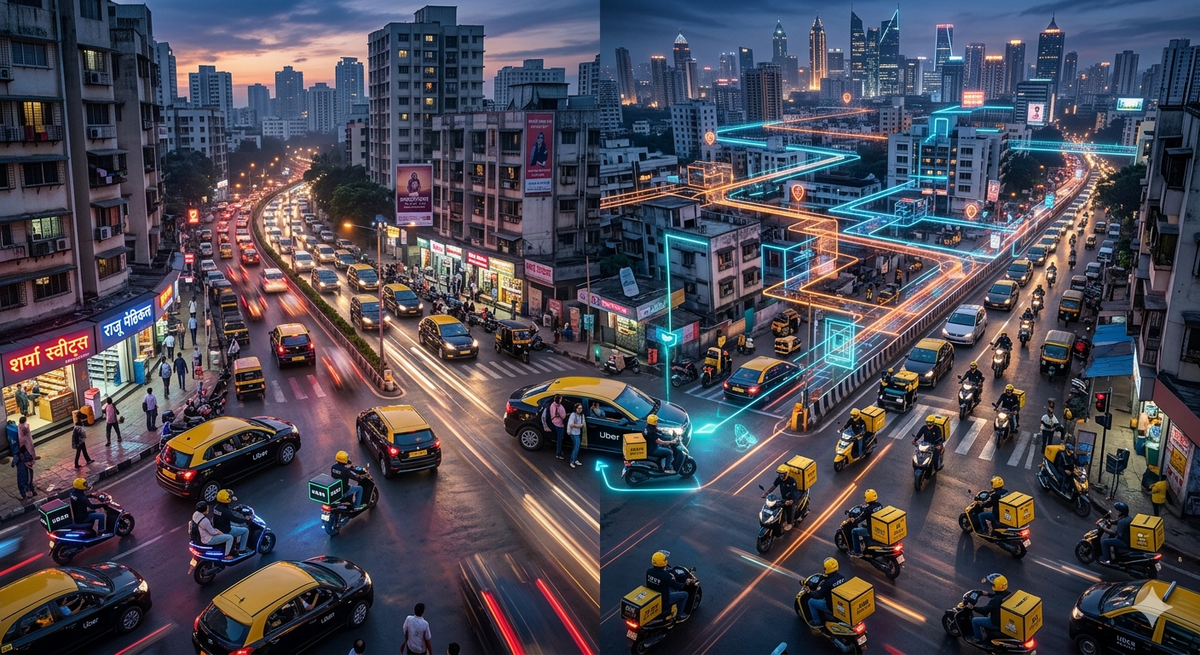
Ride-hailing is no longer the easy money it once was. As growth slows and competition intensifies, Uber is shifting gears, turning its vast driver network into a hyperlocal logistics engine.
Why Uber Is Moving Beyond Ride-Hailing
The shift behind Uber expanding into hyperlocal logistics as competition in ride-hailing tightens reflects changing market realities. Rising operational costs, regulatory pressure, and aggressive competition from regional players have made ride-hailing less predictable.
At the same time, demand for instant delivery is surging. Industry estimates suggest last-mile delivery could surpass $200 billion globally within the next few years, driven by e-commerce and consumer expectations for speed.
Building on Existing Infrastructure
Uber is not starting from scratch. Its logistics push relies on an already established ecosystem of drivers, routing algorithms, and real-time tracking.
Services like Uber Direct allow businesses to outsource deliveries, while Uber Connect enables peer-to-peer package transport. The model is simple. Increase driver utilization by filling gaps between ride requests with delivery jobs.
Uber Expanding Into Hyperlocal Logistics as Competition in Ride-Hailing Tightens
This strategy is about survival as much as growth. By expanding into hyperlocal logistics, Uber is reducing its dependence on passenger rides and creating a multi-service platform.
The approach improves efficiency by maximizing each driver’s time on the road. It also strengthens Uber’s ecosystem, keeping users and businesses within its network for multiple services.
Operational and Ethical Challenges
Hyperlocal logistics introduces complexity. Delivering goods involves unpredictable routes, varying package sizes, and stricter delivery timelines.
Margins remain thin due to intense competition. Customer expectations for speed and reliability add further pressure. There are also ongoing concerns around gig worker conditions, as drivers are expected to handle more tasks without guaranteed income stability.
What This Means for Urban Mobility
Uber is evolving into a broader logistics platform. The move blurs the line between transportation and delivery, positioning the company as a key player in last-mile infrastructure.
For consumers, it brings faster and more flexible delivery options. For businesses, it offers scalable logistics solutions. For drivers, it creates additional earning opportunities, though with increased workload and complexity.
Conclusion
Uber expanding into hyperlocal logistics as competition in ride-hailing tightens signals a major shift in strategy. The company is betting that moving goods can be as valuable as moving people.
Success depends on execution. If Uber can balance efficiency with profitability, it could reshape urban logistics. If not, it risks adding another low-margin business to an already complex model.
Fast Facts: Uber Expanding Into Hyperlocal Logistics as Competition in Ride-Hailing Tightens Explained
What does Uber’s shift into logistics mean?
Uber expanding into hyperlocal logistics as competition in ride-hailing tightens means it uses its driver network to deliver goods, creating new revenue streams and reducing reliance on passenger rides.
Why is Uber focusing on hyperlocal delivery now?
Uber expanding into hyperlocal logistics as competition in ride-hailing tightens reflects slowing ride growth and rising demand for instant delivery, making logistics a more scalable opportunity.
What are the risks of this strategy?
Uber expanding into hyperlocal logistics as competition in ride-hailing tightens faces thin margins, operational challenges, and concerns about driver workload, which could impact long-term sustainability.