Uber Expanding Into Hyperlocal Logistics to Compete With Quick Commerce Startups
Uber is no longer just about rides. The company is aggressively entering hyperlocal logistics, aiming to challenge quick commerce giants with faster deliveries, deeper integrations, and a massive driver network already in place.
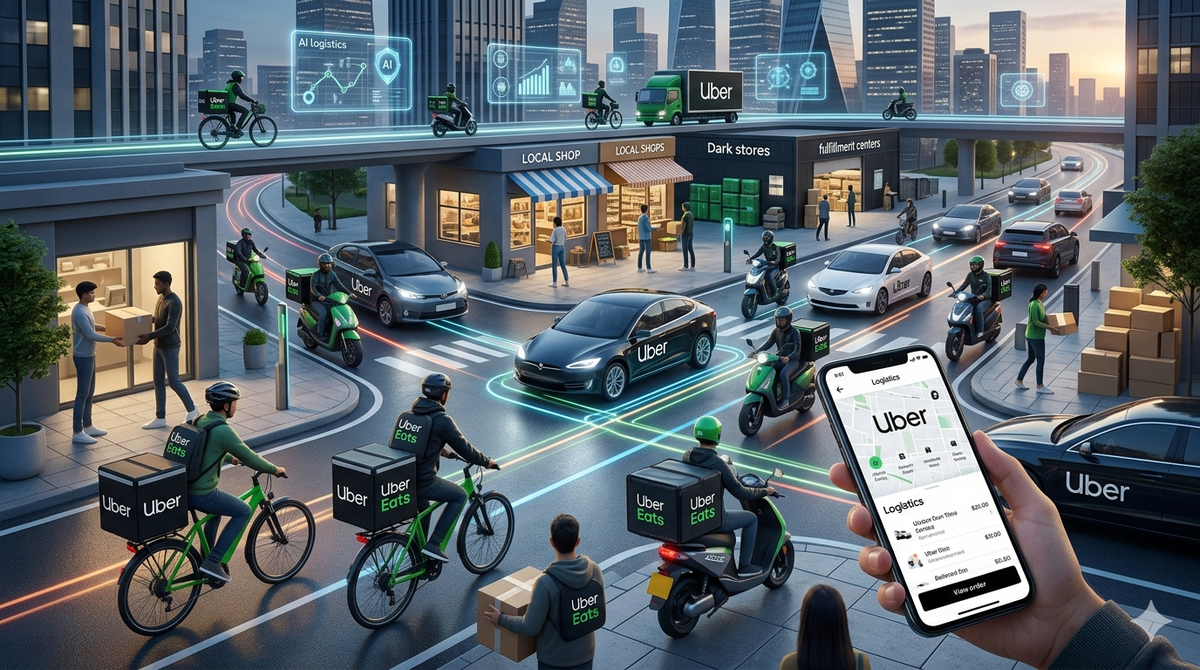
What if the same app you use to book a ride could deliver groceries, medicines, and daily essentials within minutes? That is no longer hypothetical. Uber expanding into hyperlocal logistics to compete with quick commerce startups signals a serious shift in how urban delivery ecosystems are evolving.
The quick commerce market has surged in recent years, driven by changing consumer expectations for speed and convenience. Industry projections suggest the sector could exceed $70 billion by 2030. This rapid growth has attracted intense competition, and Uber is now positioning itself as a major contender.
Why Uber Is Entering Hyperlocal Logistics
Uber already operates one of the largest mobility and delivery networks globally. Its decision to expand into hyperlocal logistics is rooted in leveraging this existing infrastructure. With millions of active users and drivers, Uber can integrate logistics services without building entirely new systems.
Uber expanding into hyperlocal logistics to compete with quick commerce startups allows the company to diversify revenue streams while meeting rising consumer demand for instant delivery services.
Uber Expanding Into Hyperlocal Logistics to Compete With Quick Commerce Startups: The Strategy
The company’s approach centers on integrating multiple services into a unified platform. Local merchants are being onboarded to offer inventory directly through the app. At the same time, Uber is using AI-driven routing systems to improve delivery efficiency and reduce turnaround times.
Uber Eats, which initially focused on food delivery, is being expanded to include groceries, pharmacy items, and small parcel deliveries. This positions Uber as a multi-category logistics platform rather than a single-service provider.
Competition With Quick Commerce Players
Quick commerce startups have built their operations around speed, often relying on dark stores and micro-warehouses to enable deliveries within 10 to 20 minutes. Companies like Blinkit and Zepto have optimized their supply chains specifically for this model.
Uber’s strength lies in its scale and user base. It does not rely on dedicated inventory systems, which reduces overhead but may impact delivery speed in certain scenarios. The competition is likely to hinge on whether customers prioritize convenience and ecosystem integration over ultra-fast delivery.
Operational and Financial Challenges
Entering hyperlocal logistics introduces complexity. Managing multiple delivery categories increases operational demands. Profitability remains a concern, as quick commerce typically operates on thin margins.
Uber expanding into hyperlocal logistics to compete with quick commerce startups also means navigating varying regulations across markets and maintaining consistent service quality under high expectations.
Market Impact and Consumer Benefits
For consumers, this expansion could lead to more delivery options, competitive pricing, and improved service efficiency. Increased competition often drives innovation, which could benefit the broader ecosystem.
For the industry, Uber’s entry raises the stakes. Smaller startups may face pressure to differentiate or consolidate as larger platforms expand their capabilities.
Conclusion
Uber expanding into hyperlocal logistics to compete with quick commerce startups reflects a broader transformation in urban delivery models. The company is leveraging its scale and technology to enter a high-growth market, but success will depend on execution and adaptability.
If Uber can balance efficiency, speed, and cost, it could redefine how hyperlocal logistics operates. If not, specialized players may continue to dominate the space.
Fast Facts: Uber Expanding Into Hyperlocal Logistics to Compete With Quick Commerce Startups Explained
What does Uber’s move into hyperlocal logistics mean?
Uber expanding into hyperlocal logistics to compete with quick commerce startups means using its driver network to deliver groceries, essentials, and parcels quickly within cities.
How is Uber different from quick commerce startups?
Uber expanding into hyperlocal logistics to compete with quick commerce startups relies on its existing platform, unlike startups that depend on dedicated warehouses.
What are the main challenges Uber faces?
Uber expanding into hyperlocal logistics to compete with quick commerce startups faces low margins, operational complexity, and high customer expectations.