Uber Expanding into Subscription-Based Mobility Services in Key Markets
Uber is betting big on subscriptions to reshape urban transport. From predictable pricing to bundled perks, the company is redefining how riders access mobility in major global cities.
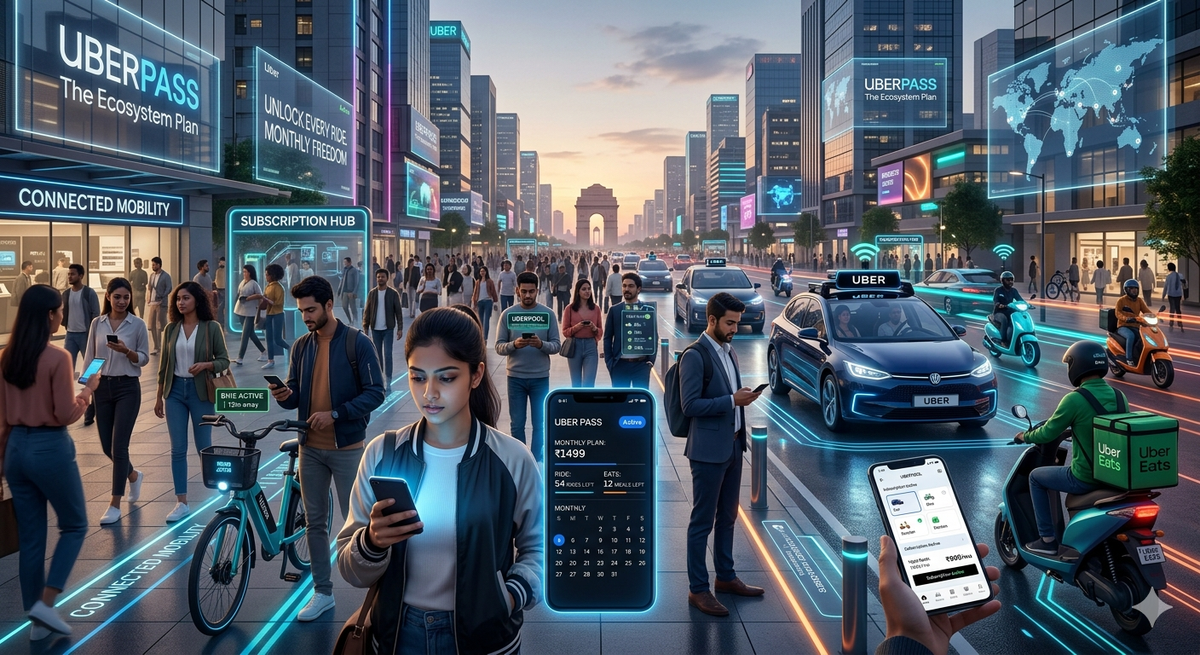
What if your daily commute felt less like a gamble and more like a fixed monthly bill? That is the bet Uber is making as it pushes deeper into subscription-based mobility across major cities.
The company is moving beyond its traditional pay-per-ride model, aiming to lock in users with predictable pricing and bundled services. As competition intensifies and margins tighten, subscriptions are becoming a core part of Uber’s long-term strategy.
Why Uber Is Shifting Toward Subscriptions
Uber expanding into subscription-based mobility services in key markets is driven by a need for stable, recurring revenue. Instead of relying on inconsistent ride demand, subscriptions offer a steady income stream while increasing customer retention.
Programs like Uber One already show strong engagement. According to company disclosures, subscribers tend to spend more and use multiple services, including rides and food delivery. This creates a more valuable user base over time.
What the Subscription Model Offers
The subscription model focuses on convenience and cost predictability. Users pay a monthly fee and receive benefits such as discounted rides, reduced surge pricing impact, and free or lower-cost deliveries.
For frequent users, the value is clear. Regular commuters and heavy app users can save money while avoiding price fluctuations. For Uber, it creates an ecosystem where users rely on a single platform for multiple needs.
Uber Expanding into Subscription-Based Mobility Services in Key Markets
The rollout is concentrated in urban centers where ride frequency is high and digital adoption is strong. Cities in North America, Europe, and parts of Asia are leading this transition.
This approach targets users who depend on daily transport. In these environments, subscriptions make practical sense. In smaller or less dense regions, adoption may remain limited due to lower usage frequency.
Benefits and Limitations
The advantages are straightforward. Riders gain predictable costs and added convenience. Uber benefits from recurring revenue and stronger customer loyalty.
However, the model is not universally beneficial. Users who travel infrequently may not recover the subscription cost. There is also the risk of reduced price transparency if certain charges still vary under specific conditions.
Another concern is behavioral lock-in. Once users commit to a monthly plan, they are less likely to explore alternatives, even if better options exist for individual trips.
The Future of Subscription Mobility
Uber expanding into subscription-based mobility services in key markets reflects a broader shift in how transportation is consumed. Access is replacing ownership, and bundled services are becoming the norm.
This model could expand further into areas like public transport integration and shared mobility solutions. The long-term vision points toward a single platform managing multiple aspects of urban movement.
Success will depend on execution. Pricing must remain competitive, and the value proposition must be clear. Without that, subscriptions risk becoming another expense users question rather than rely on.
Conclusion
Uber’s move into subscriptions signals a structural shift in the mobility industry. It is no longer just about getting from point A to point B. It is about building a system where transportation becomes a predictable, bundled service. Whether users embrace that system will depend on how much value they actually receive.
Fast Facts: Uber Expanding into Subscription-Based Mobility Services in Key Markets Explained
What does Uber’s subscription model mean for users?
Uber expanding into subscription-based mobility services in key markets means users pay a monthly fee for ride discounts, delivery perks, and priority services instead of paying per trip.
Why is Uber focusing on subscriptions now?
Uber expanding into subscription-based mobility services in key markets helps generate consistent revenue and improves customer retention as competition in ride-hailing increases.
Are there any downsides to Uber subscriptions?
Uber expanding into subscription-based mobility services in key markets may lead to higher costs for infrequent users and can create dependence on a single platform.