Universal Nasal Spray Vaccine Could Block Viruses, Bacteria, and Allergies
Scientists have developed a universal nasal spray vaccine, raising hopes for a radically simpler future of disease prevention.
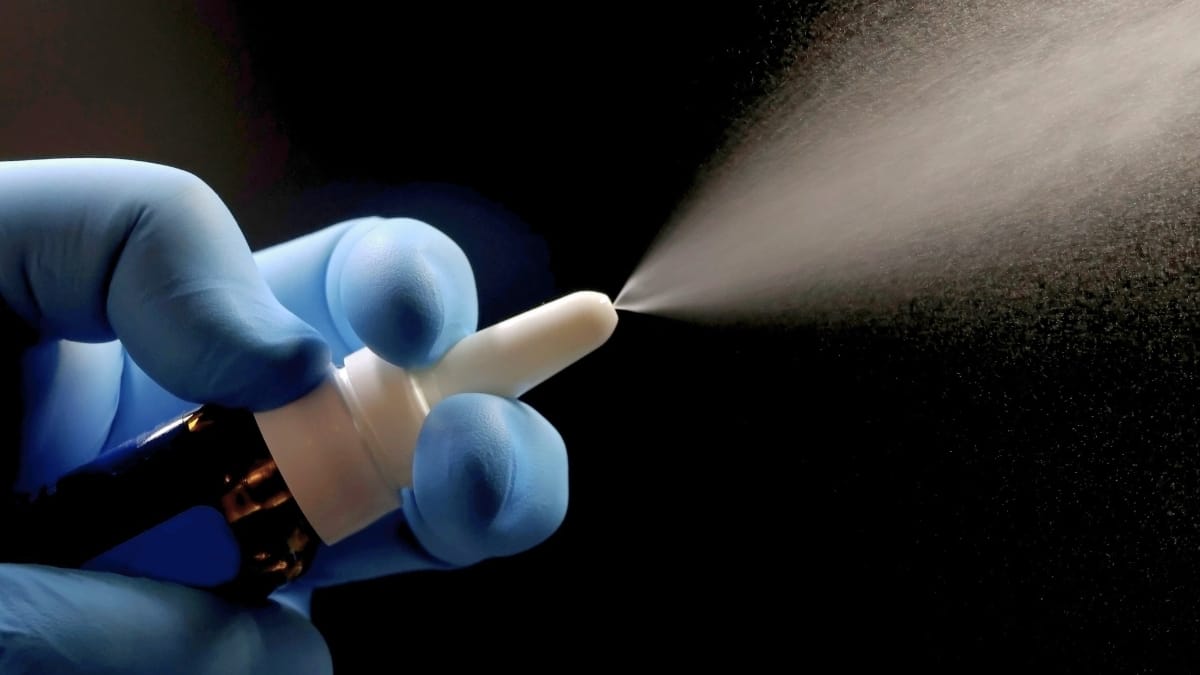
What if a single nasal spray could protect you from COVID-19, the flu, bacterial pneumonia, and even seasonal allergies?
That idea may sound like science fiction, but scientists at Stanford Medicine say it could one day become reality. In a new study published in Science, researchers have developed an experimental universal nasal spray vaccine that protected mice from multiple respiratory threats including viruses, bacteria, and allergens.
If the approach works in humans, it could transform how we prevent infectious diseases and prepare for future pandemics.
The Breakthrough Behind the Universal Nasal Spray Vaccine
Traditional vaccines are highly specific. They train the immune system to recognize a particular pathogen, such as the spike protein of SARS-CoV-2. This is why vaccines often need updates as viruses mutate.
The universal nasal spray vaccine works differently. Instead of targeting a specific virus or bacterium, it stimulates communication between the immune system’s two main defense systems: innate immunity and adaptive immunity.
Innate immunity is the body’s rapid first line of defense against unfamiliar threats, but it usually fades within days. Adaptive immunity is slower but produces long-lasting antibodies and immune memory.
Researchers designed the vaccine to connect these two systems so that the broad response of innate immunity remains active for months. The result is a wider shield against multiple respiratory threats.
Promising Results From Early Animal Studies
In experiments on mice, the universal nasal spray vaccine showed striking results:
- It protected animals from SARS-CoV-2 and related coronaviruses
- It reduced viral load in the lungs by about 700 times compared with unvaccinated mice
- It protected against bacteria such as Staphylococcus aureus and Acinetobacter baumannii, common hospital infections
- It reduced asthma-like reactions caused by dust mite allergens
Three doses delivered through a nasal spray protected mice for about three months. Vaccinated animals also mounted an immune response in roughly three days, compared with about two weeks normally required for lung immunity to activate.
Why a Universal Nasal Spray Vaccine Matters
Respiratory diseases remain among the biggest global health threats. Seasonal influenza, COVID-19, RSV, bacterial pneumonia, and allergic asthma collectively affect hundreds of millions of people each year.
A successful universal nasal spray vaccine could change several aspects of public health:
- Replace multiple yearly vaccines with one preventive treatment
- Offer rapid protection against emerging pandemic viruses
- Reduce hospital infections caused by antibiotic-resistant bacteria
- Simplify vaccination programs worldwide
The nasal spray delivery method could also improve accessibility, especially for people who avoid injections.
Challenges and Safety Questions Ahead
Despite its promise, the universal nasal spray vaccine is still in early research stages.
The current results are limited to animal models. Human immune systems are far more complex, and safety testing will be essential before clinical use. Researchers are planning Phase I trials to evaluate safety in humans.
Scientists also warn that keeping the immune system on “high alert” could potentially trigger unwanted inflammatory responses. Ensuring the immune boost does not cause harmful side effects will be a key hurdle.
If trials succeed and funding continues, experts estimate that such a vaccine could become available in five to seven years.
Conclusion
The universal nasal spray vaccine represents one of the most ambitious goals in immunology: protection against multiple respiratory threats with a single treatment.
While still experimental, early results suggest that reprogramming the immune system’s internal communication networks could provide broader disease protection than traditional vaccines.
If successful in humans, this innovation could simplify vaccination, strengthen pandemic preparedness, and reshape the future of respiratory medicine.
Fast Facts: Universal Nasal Spray Vaccine Explained
What is the universal nasal spray vaccine?
The universal nasal spray vaccine refers to an experimental formula developed by researchers at Stanford University (reported in February 2026) that is designed to provide broad, non-specific protection against a wide array of respiratory threats, including viruses, bacteria, and allergens.
What diseases could the universal nasal spray vaccine prevent?
Early studies show the vaccine protected mice against coronaviruses, bacterial pneumonia pathogens, and dust mite allergies. Scientists hope future versions could cover COVID-19, flu, RSV, and other respiratory infections.
What are the limitations of the universal nasal spray vaccine?
The vaccine has only been tested in mice so far. Human trials are still needed to confirm safety, effectiveness, and whether stimulating broad immune responses could cause unintended side effects.


