Vatican Urges Priests to Avoid AI Sermons
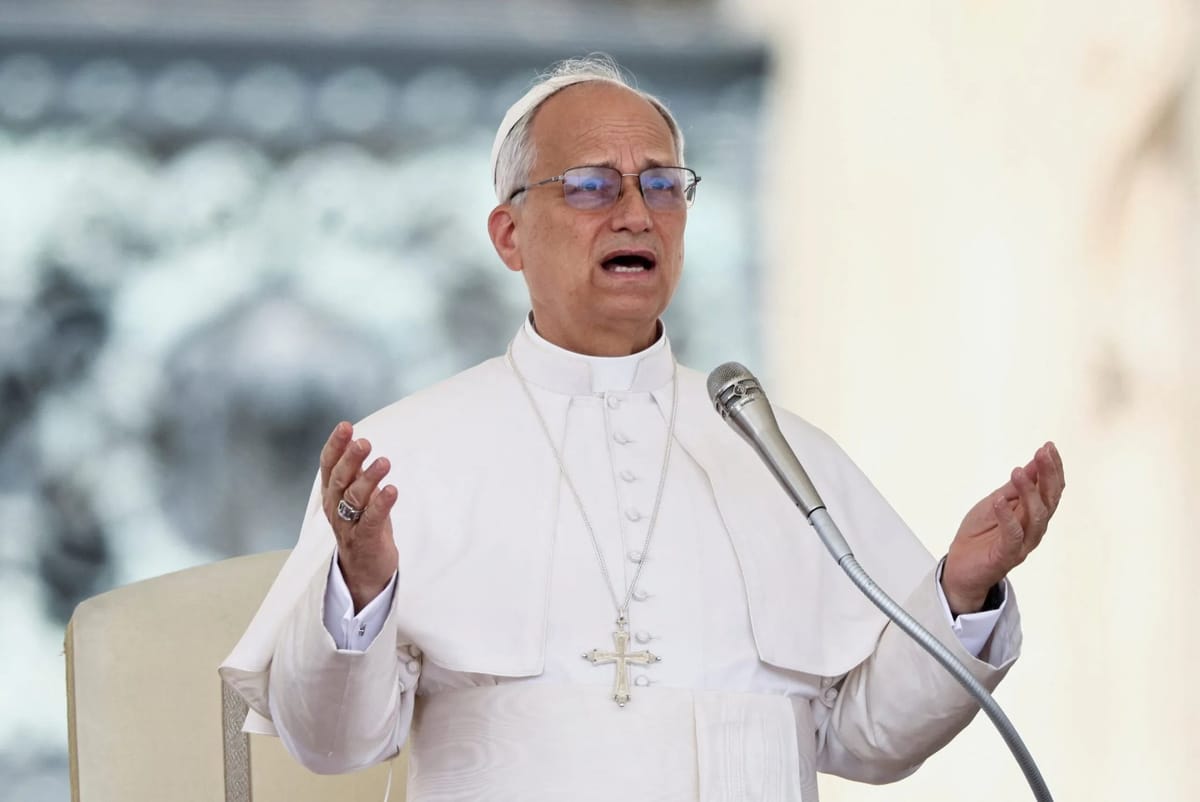
Pope Leo XIV has urged priests not to use artificial intelligence for preparing homilies or seeking validation on social media.
Can artificial intelligence write a sermon that truly speaks to faith?
According to Pope Leo XIV, the answer is no. The pontiff recently cautioned Catholic priests against relying on AI tools to prepare homilies, arguing that technology cannot replace genuine spiritual reflection or personal faith.
The Pope’s comments have sparked a wider debate about the role of artificial intelligence in religion and society. While AI is rapidly transforming industries from healthcare to finance, the Vatican believes spiritual leadership must remain deeply human.
Pope Leo's warning highlights an important question for the AI era: where should the line be drawn between technological convenience and human responsibility?
Why Pope Leo Issued the AI Sermons Warning
During a private meeting with priests from the Diocese of Rome on February 19, Pope Leo XIV urged clergy to resist the temptation to let artificial intelligence write their sermons.
He emphasized that preaching is not just an intellectual exercise. A meaningful homily should come from personal faith, prayer, and lived experience.
“The brain needs to be used,” the Pope reportedly told priests, comparing intellectual effort to muscles that weaken when they are not exercised.
In his view, using AI as a shortcut risks weakening both spiritual depth and human creativity.
This warning reflects the Vatican’s broader concern about overreliance on technology in areas that require human empathy and moral judgment.
AI in Religion: A Growing Ethical Debate
Artificial intelligence is increasingly entering religious spaces. Some churches use AI chatbots to answer questions about scripture. Others experiment with automated sermon generation tools.
But critics argue that AI lacks the emotional and spiritual understanding needed for pastoral leadership.
Pope Leo has previously warned that AI could threaten human dignity and labor if used without careful ethical oversight.
In religious contexts, the concern is even stronger. Faith leaders argue that sermons are meant to reflect personal conviction and a deep understanding of the community, something machines cannot replicate.
The Vatican’s Balanced Approach to AI
Despite the the warning, the Vatican is not rejecting artificial intelligence entirely.
In fact, the Catholic Church has begun adopting AI-powered tools in certain areas. For example, the Vatican is developing systems that can translate services at St. Peter’s Basilica into dozens of languages in real time.
The Church has also encouraged developers to design AI systems that promote human dignity and social good.
In other words, the Vatican supports responsible innovation but opposes replacing human judgment with algorithms.
What This Means for the Future of AI
The warning reflects a broader global conversation about artificial intelligence.
Experts increasingly debate how AI should be used in education, creative work, and leadership roles. Studies suggest that heavy reliance on automation can reduce critical thinking and problem-solving skills.
For institutions built on human relationships, such as schools, churches, and healthcare systems, the stakes are even higher.
The Pope’s message is simple but powerful: technology should assist human intelligence, not replace it.
Conclusion
Artificial intelligence is reshaping the modern world at remarkable speed. But the Pope's warning reminds us that some responsibilities remain fundamentally human.
Sermons are not just speeches. They are expressions of faith, reflection, and community understanding.
As AI becomes more capable, society will continue to face the same question raised by the Vatican: when should we rely on machines, and when must we rely on ourselves?
The answer may determine how humanity navigates the next phase of the AI revolution.
Fast Facts: Pope Leo AI Sermons Warning Explained
Why did Pope Leo warn priests about AI sermons?
In February 2026, Pope Leo XIV warned Catholic priests to "resist the temptation" of using artificial intelligence to write their sermons, arguing that technology cannot replace the personal faith and lived experience essential to a true homily.
Can AI actually write sermons?
Yes, AI can generate sermons by analyzing religious texts and language patterns. However, the Pope Leo stresses that AI lacks lived faith, empathy, and spiritual understanding required for meaningful religious guidance.
Is the Vatican completely against AI?
No. The warning targets misuse, not the technology itself. The Vatican supports responsible AI use, including tools for translation and communication, while insisting that human judgment must remain central.