Why hardware startups are making a comeback despite higher risks
Hardware startups are resurging globally, fueled by AI, climate tech, and supply chain shifts. But why now, despite higher risks? This article breaks down the forces driving this unexpected revival.
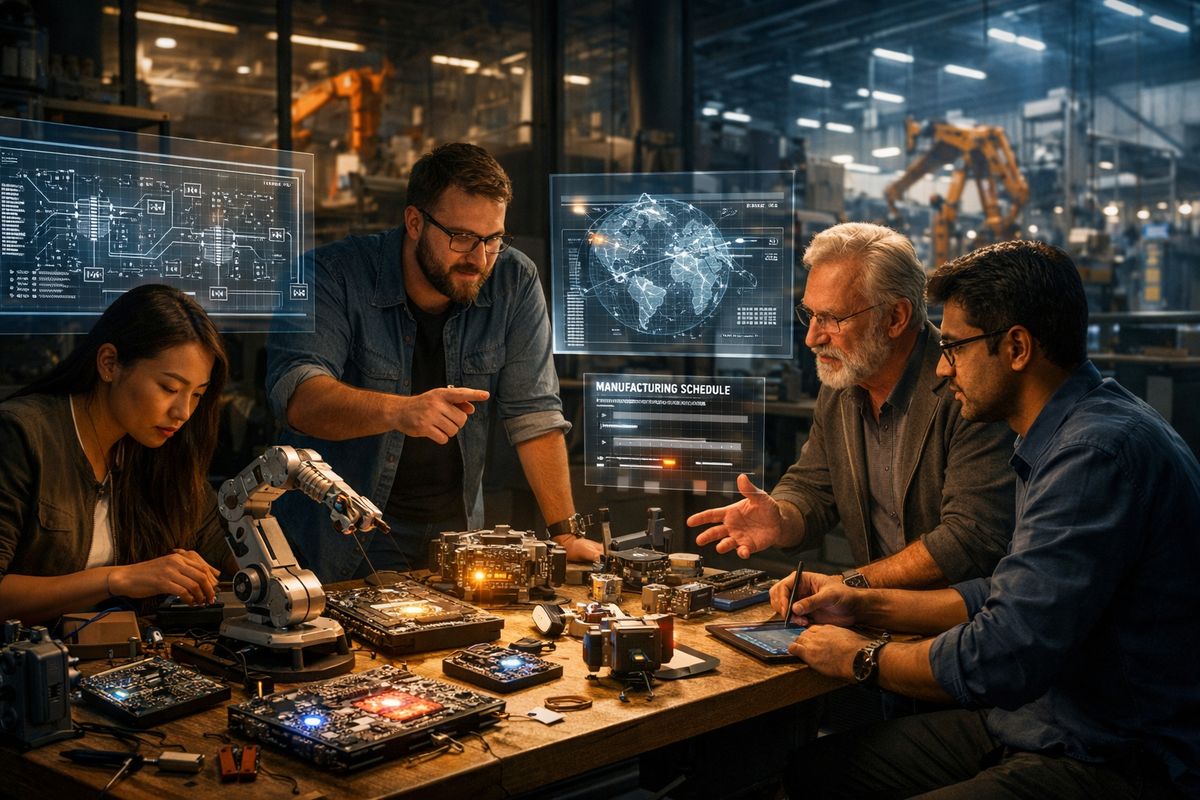
For years, hardware startups were treated like a bad idea with a funding problem. High costs, slow timelines, and brutal supply chains pushed founders toward software. That narrative is breaking. The question now is simple. Why hardware startups are making a comeback despite higher risks is no longer theoretical. It is happening in real time.
A shift from digital to physical innovation
The last decade was dominated by software. Apps scaled fast and required less capital. But today’s biggest opportunities are not purely digital. AI, robotics, and climate solutions all depend on physical systems.
This shift is forcing founders and investors to rethink priorities. Hardware is no longer a niche. It is becoming essential infrastructure.
The AI boom is driving demand for hardware
Artificial intelligence is not just about algorithms. It relies heavily on chips, sensors, and edge devices. The explosion of AI applications has created demand for specialized hardware that traditional players cannot supply fast enough.
This explains why hardware startups are making a comeback despite higher risks. Startups are building custom chips, robotics platforms, and AI-powered devices that enable real-world deployment.
Manufacturing is more accessible than before
Hardware used to mean massive upfront investment and limited flexibility. That has changed. Advances in digital manufacturing, rapid prototyping, and global supply networks have reduced barriers.
Startups can now test, iterate, and launch products faster. Costs are still high, but the entry point is lower than it used to be. This makes hardware more viable for smaller teams.
Climate and deep tech need physical solutions
Some problems cannot be solved with code alone. Clean energy systems, electric mobility, and carbon capture all require hardware innovation.
Investors are backing these sectors because they address urgent global challenges. This demand is a major reason why hardware startups are making a comeback despite higher risks. The impact potential is too significant to ignore.
Stronger long-term value attracts investors
Hardware startups take longer to scale, but they often build defensible businesses. Once a product is in the market, it is harder to copy compared to software.
Investors are starting to value durability over speed. Hardware offers long-term returns and strategic advantages, especially in critical industries like AI infrastructure and robotics.
The risks remain unchanged
Despite the optimism, hardware is still difficult. Supply chain disruptions, production delays, and regulatory challenges can derail progress. Many startups fail during scaling, not because of demand but execution.
Why hardware startups are making a comeback despite higher risks does not mean the risks have disappeared. It means founders are willing to take them because the upside is larger.
Conclusion
The resurgence of hardware startups reflects a deeper shift in technology. The next wave of innovation is not just digital. It is physical, integrated, and complex.
Hardware is back because it has to be. The world’s biggest challenges require real-world solutions, and startups are stepping in to build them.
Fast Facts: Why hardware startups are making a comeback despite higher risks Explained
What does it mean when hardware startups are making a comeback?
Why hardware startups are making a comeback despite higher risks refers to renewed focus on building physical tech products driven by AI, robotics, and climate innovation.
Why are investors interested in hardware again?
Why hardware startups are making a comeback despite higher risks is linked to long-term value. Hardware creates strong competitive advantages and solves problems software cannot.
What is the biggest challenge for hardware startups?
Why hardware startups are making a comeback despite higher risks still includes major challenges like high costs, complex manufacturing, and slower scaling compared to software.