YouTube Tightening Monetization Rules for AI-Generated Videos
YouTube is cracking down on AI-generated content monetization, forcing creators to rethink how they use automation, originality, and disclosure in the race for ad revenue.
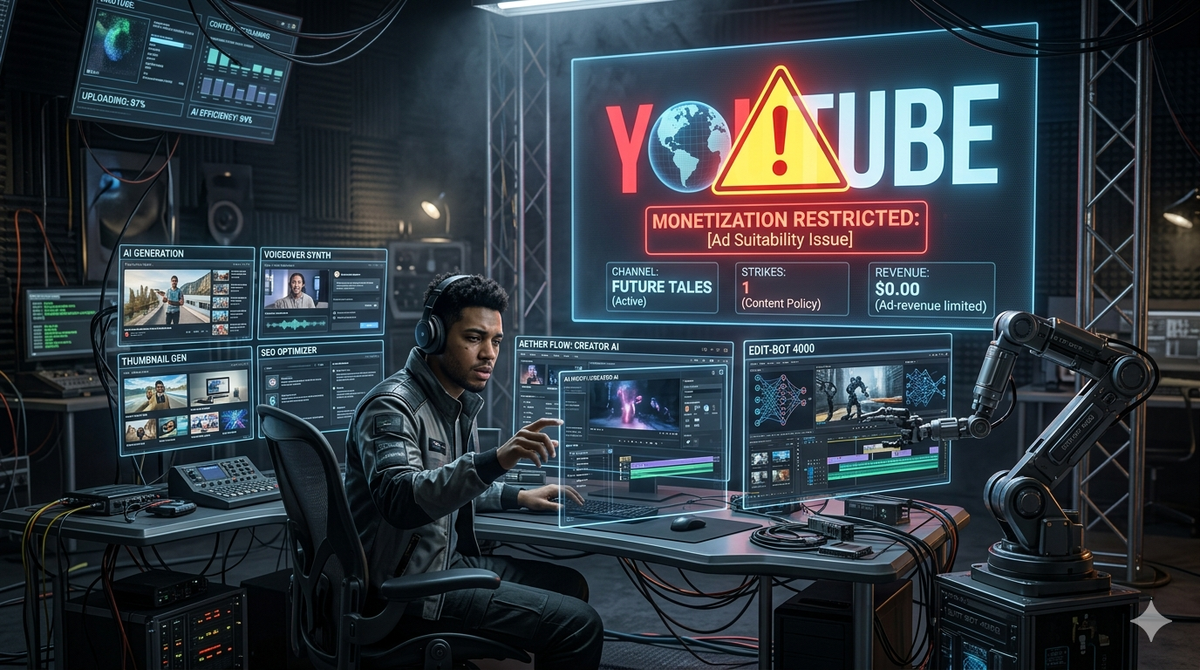
What happens when millions of AI-generated videos start looking the same? YouTube has decided it is time to step in. The platform is tightening monetization rules for AI-generated videos, targeting content that relies heavily on automation without adding real value.
With generative AI tools making video creation faster than ever, YouTube is now drawing a clear line between creativity and mass-produced content. If a video feels like it was generated in bulk with minimal effort, it is less likely to earn ad revenue.
Why YouTube Is Tightening Monetization Rules for AI-Generated Videos
The rise of AI tools has led to an explosion of low-effort videos. Many channels now produce content using synthetic voices, stock visuals, and auto-generated scripts. While efficient, this trend has raised concerns about quality and authenticity.
YouTube has always required original and authentic content for monetization. The difference now is stricter enforcement. The platform is focusing on whether creators bring unique input, creativity, and value to their videos.
What Counts as Low-Value AI Content
Not all AI-generated content is affected. The issue lies with videos that lack originality or meaningful human involvement.
Content at risk includes repetitive slideshows with AI voiceovers, fully automated scripts with no editing, and recycled videos with minor changes. These formats often provide little new information or perspective.
In contrast, creators who use AI as a support tool can still qualify for monetization. Adding commentary, storytelling, or analysis makes a significant difference.
Impact on Creators and the Content Ecosystem
This shift will affect creators who rely on automated production models. Channels built around quick, high-volume uploads may see reduced earnings or fail monetization reviews.
However, the change could improve the overall content ecosystem. With fewer low-quality videos, original creators may gain more visibility and audience trust.
It also signals a broader industry trend. Platforms are beginning to prioritize quality over quantity, even in an AI-driven landscape.
The Ethics and Transparency Question
As AI-generated content grows, so do concerns about transparency. Viewers are becoming more aware of synthetic media and often expect disclosure.
YouTube’s stricter stance indirectly encourages creators to be more open about their use of AI. While not all guidelines are clearly defined yet, the direction is clear. Authenticity matters.
How Creators Can Adapt
Creators using AI need to rethink their approach. The focus should shift from automation to enhancement.
Adding personal insights, improving storytelling, and editing AI-generated material can help maintain monetization eligibility. The goal is to create content that feels intentional rather than automated.
AI remains a powerful tool, but it cannot replace human creativity entirely. The creators who succeed will be the ones who combine both effectively.
Conclusion
YouTube tightening monetization rules for AI-generated videos reflects a push toward higher-quality content. The platform is not rejecting AI, but it is rejecting content that lacks originality. For creators, the message is simple. Use AI to create better content, not just more content.
Fast Facts: YouTube Tightening Monetization Rules for AI-Generated Videos Explained
What does YouTube tightening monetization rules for AI-generated videos mean?
YouTube tightening monetization rules for AI-generated videos means creators must add originality and human input. Fully automated videos with little value are less likely to earn revenue.
Can AI-generated videos still be monetized?
Yes, YouTube tightening monetization rules for AI-generated videos allows monetization if creators use AI as a tool and add storytelling, editing, or unique insights.
What is the biggest limitation of AI-generated content?
The biggest limitation in YouTube tightening monetization rules for AI-generated videos is lack of originality. Repetitive and automated content struggles to meet monetization standards.