Zuckerberg Defends Meta in Landmark Social Media Addiction Trial
In his first appearance before a jury, after years of rising backlash against Meta, Zuckerberg accuses lawyers of "mischaracterising" the communications.
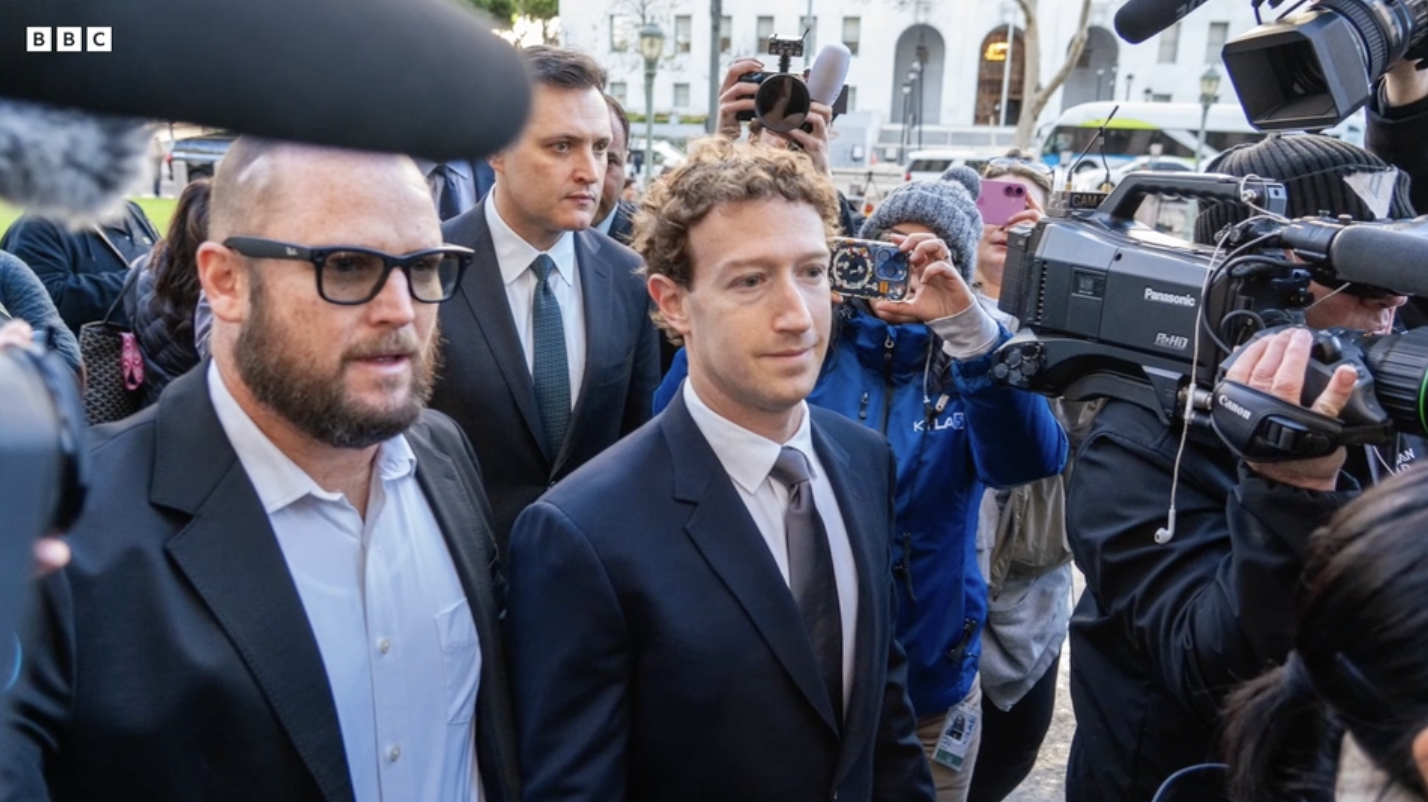
Can a tech giant be held legally responsible for how billions of people use its platforms? That question sits at the heart of the social media addiction trial unfolding in U.S. federal court.
The case could redefine how regulators, parents, and investors view social media accountability. At stake is whether Meta’s platforms, including Facebook and Instagram, are intentionally designed to foster addictive behavior among teens and young adults.
What the Social Media Addiction Trial Is About
The social media addiction trial centers on allegations that Meta knowingly built features that exploit psychological vulnerabilities. Plaintiffs argue that algorithms promoting endless scrolling, likes, and personalized feeds contribute to anxiety, depression, and compulsive use among minors.
Internal documents disclosed in past investigations, including reports cited by the Wall Street Journal’s Facebook Files, suggested Meta was aware of Instagram’s negative mental health impact on some teenage users. Meta has stated publicly that the research was taken out of context and that overall findings were more nuanced.
During the trial, Mark Zuckerberg testified that Meta has invested heavily in safety tools, parental controls, and AI-driven content moderation. According to Meta’s transparency reports, the company removes millions of harmful content pieces each quarter and uses artificial intelligence to detect policy violations before users report them.
Zuckerberg Defends Meta in Landmark Social Media Addiction Trial
As Zuckerberg defends Meta in landmark social media addiction trial proceedings, his legal team argues that addiction is a complex societal issue, not one attributable to a single company.
They cite Section 230 of the Communications Decency Act, which shields platforms from liability for user-generated content. Legal experts note that weakening this protection could reshape the entire internet economy.
Zuckerberg has also emphasized user agency. He argues that people choose how long they spend online, and that tools like screen time reminders and content filters empower families to manage usage.
Critics counter that design choices such as algorithmic amplification and reward-based engagement systems make self-regulation difficult, especially for teenagers whose brains are still developing. Research from the American Psychological Association highlights correlations between heavy social media use and increased mental health risks in adolescents, though causation remains debated.
The Broader Impact on Big Tech
The outcome of the social media addiction trial could extend far beyond Meta. Platforms like TikTok, Snapchat, and YouTube face similar scrutiny.
TikTok and Snapchat, settled shortly before trial was scheduled to begin. Terms of the settlements were not disclosed.
Regulators worldwide are already tightening rules. The European Union’s Digital Services Act imposes stricter obligations on large platforms to assess systemic risks. In the United States, several states have introduced laws targeting social media use by minors.
Investors are watching closely. A ruling against Meta could open the floodgates to similar lawsuits, increasing compliance costs and forcing product redesigns.
Ethical and Technological Tensions
This case raises deeper questions about persuasive technology. Behavioral design principles, such as variable rewards and personalized recommendations, are common across digital products.
Technology leaders including researchers cited in MIT Technology Review have long warned about the ethics of engagement-driven business models. The core tension is clear. Platforms profit from attention, yet excessive attention may harm users.
Meta maintains that innovation and responsibility can coexist. Whether courts agree may determine the next chapter of social media governance.
Conclusion: A Defining Moment for Social Media Accountability
As Zuckerberg defends Meta in landmark social media addiction trial proceedings, the case represents more than one company’s legal battle. It tests how society balances innovation, free speech, mental health, and corporate accountability.
For users, parents, and policymakers, the takeaway is practical. Understand how algorithms shape your feed. Use built-in time management tools. Watch regulatory shifts closely.
This trial may not end social media addiction debates, but it will likely shape how platforms design, disclose, and defend their products for years to come.
Fast Facts: Social Media Addiction Trial
What is the social media addiction trial about?
The social media addiction trial examines whether Meta’s platform design contributes to addictive behavior, especially among teens, and whether the company should be legally accountable.
What is Zuckerberg’s main defense?
In the Zuckerberg defends Meta in landmark social media addiction trial, he argues that user choice, parental tools, and legal protections like Section 230 limit Meta’s liability.
Why does this case matter beyond Meta?
Zuckerberg's defence of Meta in landmark social media addiction trial could influence regulations for all major platforms and reshape how social media companies design engagement systems.


